Research Findings:
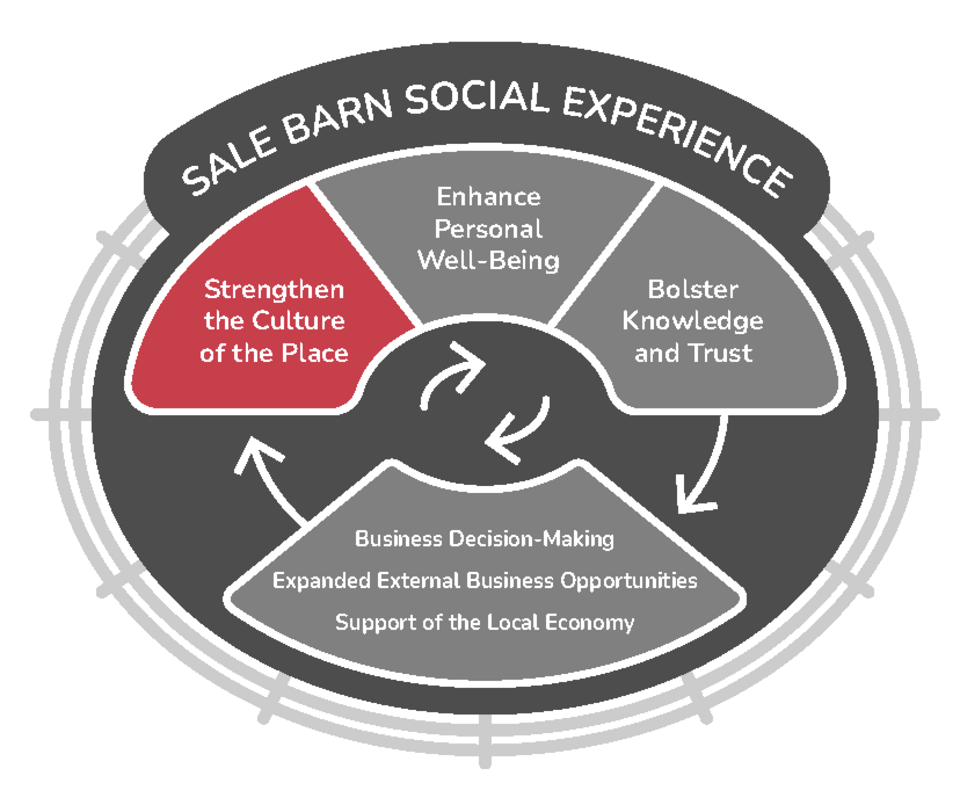
- Social Relationships Strengthen the Culture of Place (this page)
- Social Relationships Enhance Personal Well-Being
- Social Relationships Bolster Knowledge and Trust
- Social Value Extends Beyond the Sale Barn
- Additional Social Value Subthemes
Social Relationships Strengthen the Culture of Place
Culture is “how we do things around here”—it gives identity to a group and influences both individual and group actions. It is a shared set of values, customs, and behaviors that a group of people use to understand their environment (place) and how they interact with one another. It is passed from generation to generation and can help newcomers assimilate. It shapes how people live, work, and play.
Researchers found that each livestock sale barn has a unique culture that integrates the owners, employees, producers, and family members into a single social environment. There were commonalities across the four pilot locations, as well as differences. Three of the locations were traditional livestock sale barns located in rural areas. The Palmyra location presented a different culture due to its proximity, within 20 miles, to the city of Lincoln, NE, population of 291,000. The Palmyra attendees were more diverse, including having different cultural and socioeconomic backgrounds. This location primarily caters to urban buyers, acreage owners, and small-scale farmers. The products offered include a wide range of livestock and various items for sale, including household goods and small animals.
Note: To ensure anonymity, the names of the participant quotes have been altered.
Sale Barn Culture
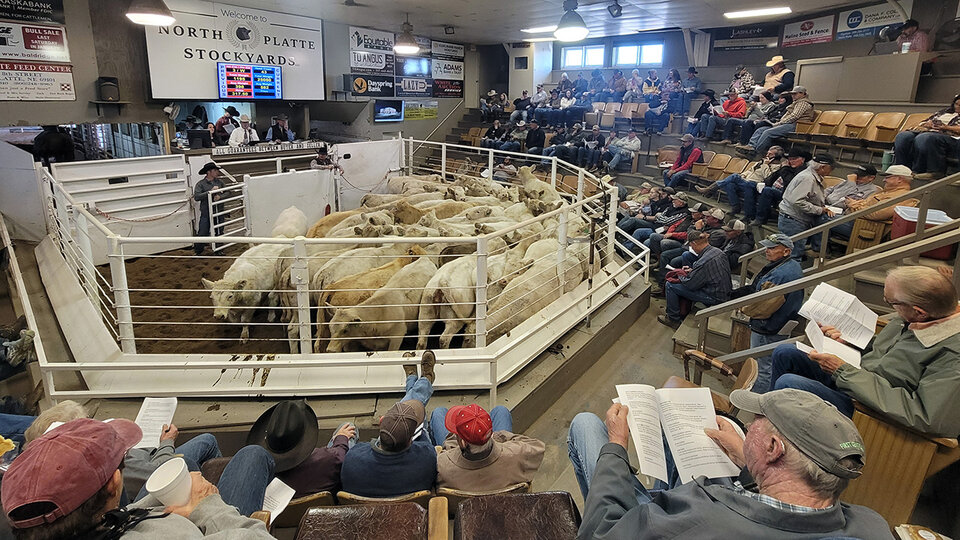
Owners, auctioneers, and other employees play a crucial role in establishing the barn culture. UNL researchers observed on the day of the auction, legacy families being recognized for their quality livestock and long-standing support of the sale barn. Sale barn employees asked attendees about their families and operations, and trust in the owners helped producers maximize their selling options. In each location, researchers observed many social activities among the attendees. There were multiple conversations, acknowledgements, handshakes, hat-tips, smiles, and laughter. Often, families were seen watching the livestock sales together, passing along knowledge and experience. Although many families attended the urban location, observers noted significantly less interaction between groups, which may have been due to language barriers and limited historical social connections.
During the interviews, individuals identified multiple ways they connected with the sale barn culture. They expressed comfort in interacting with friends and family or comfort in knowing how they fit in with others. Participants explained this in the following quotes.
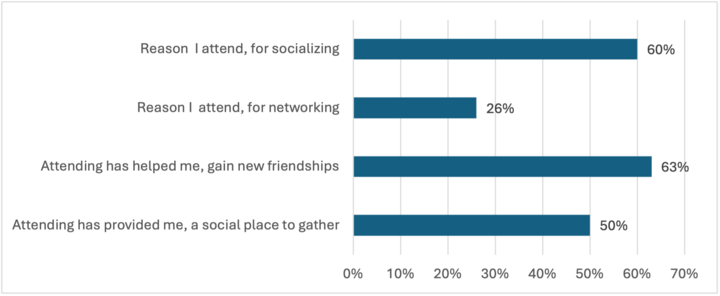
Figure 5: Social Benefits from Attending Livestock Sale Barns
Cafe Gatherings
The on-site café serves as an important gathering spot for social interactions. Individuals may visit the café for a cup of coffee or a meal, joining others they know to share news of drought, rain, family, or multiple topics that create a shared community.
The social interaction in the cafés was casual and friendly. If someone was sitting by themselves, it would not be long before another person would join them and start talking immediately. The conversation was warm and cordial. Sometimes it focused on business, but often the observers would hear a laugh or a string of laughter erupting from the entire table. One person told another, “I’ll watch that piece of pie for you,” which then sparked a few giggles and snickers from others in that area of the café. Observers could tell that many people knew each other, and the time spent talking was like a conversation at a kitchen table.
In one location, two children, under the age of 10, appeared comfortable in the café, chatting with other individuals and showing their toys at the tables. It appeared the customers informally “adopted” them and were comfortable sharing time with the children.
Interviewees shared personal café experiences that ranged from having hearing issues that made it hard for them to converse in the noisy environment to sharing time with others to get family and friend updates or to discuss markets, weather, and production practices. The café not only provides social connections but also offers business-building opportunities.
Learning the Culture
Sale barns are often generational, not only for the barn owners but also for the families who bring their business to the sale barns. Observers saw many multi-generations sitting together during the sale and in the cafés. Grandparents entertained and taught their grandchildren, parents held newborns and wrangled their young children, and fathers worked alongside their older sons or daughters, assessing livestock and prices. In one instance, observers witnessed, prior to sale start, an employee lift his grandchildren over the arena fence and allowed them to play with the cattle paddles. Multiple generations were part of this group, laughing and taking photos.
The barns also provide environments that assimilate newcomers through social norms and relationships. Interview participants shared insights into how the livestock barn environment helps them overcome barriers and navigate diverse backgrounds and experiences.
Quotes About Sale Barn Culture
I just enjoy seeing the people, and it's home to me, you know, seeing the country people. I can see people, a lot of people from up where I used to live, and I know a lot of people around here. And so, we'll come in, call each other by name, and joke a little bit. So we kind of bond that way. […] I get a lot of satisfaction from working at the barn and all the interactions and everything. I've worked at other jobs, but I have not felt completely comfortable there.
- Judy, Producer/Employee
I've got a good relationship with the one auctioneer. He knows my type of cattle, he knows the bulls that I buy. He [owner] takes it upon himself to get to know you, too. It seemed like there was a lot of camaraderie going on in the sales arena. A good auctioneer, he can make you want to be there.”
– Erwin, Producer
Quotes About Café Gatherings
That's what I like about those cafes, because you can sit there and you can talk to other buyers. You can talk to sellers, you can talk to the old guys that are just there to drink coffee and shoot the bull. [...] I think there are a lot of learning experiences that can be gained from sitting in a cafe at a sale barn.
– George, Producer
Quotes About Learning the Culture
That's how it starts. You bring those little ones with you to the sale, and they run around and annoy everybody, running up and down the stairs. You go broke getting candy and pop. But all the while, they are paying more attention than you give them credit for. And when you sit back and watch them, I think that's a pretty good day.
– Bill, Producer