- Introduction and Acknowledgements
- Executive Summary
- Research Recommendations (this page)
- Research Methodology
Research Findings:
Research Recommendations
This pilot study of Nebraska Livestock Sale Barns has provided some insights for owners, attendees, and service providers on how they can utilize the research findings to further provide support to farmers and ranchers in their business and personal lives.
Sale Barn Owners and Employees
Study and interview participants shared the importance of having good working and personal relationships with the owners and employees of the sale barn. They want to have trust in the recommendations provided, such as when to bring cattle in for which sales and ideal sale weights. Appreciation was expressed for the sale barn owners who provided that type of information to the producers. As Judy, an employee, stated, “They’ll [the owners] give it to them straight and they’ll give them the ups and downs of it.” Producers also need to have trust in the business transactions and rely on price transparency, critical components for maintaining professional relationships.
Personally, producers appreciate recognition of the quality of their products, as well as acknowledgment of their family legacy and future generations. They appreciate words that acknowledge their hard work and diligence in caring for their livestock. Recognizing the unique traits and practices also helps the producer who is looking for premium pricing.
Individuals shared mixed feelings about online sales. Ideally, individuals would prefer to attend sales in person; however, online sales offer producers and buyers convenience during busy times, inclement weather, and a larger geographic region for potential sales. Individuals expressed alack of social connections that they felt were important. Finding ways to increase online dialogue and personal connections, potentially through shared or private chats (or other methods), may help individuals enhance online relationships and reduce feelings of isolation.
Producers and Buyers
Buyers, producers, and other sale attendees are building relationships throughout the sale barn environment. This is inherent to one’s desire for social bonding and creating a sense of belonging. However, being intentional about increasing social interactions and building relationships while at the sale barn (and beyond) can assist in enhancing personal self-worth and balance feelings of isolation, especially during bad years, and when one is personally struggling.
Mental health challenges in the farm and ranch industry, and in rural areas in general, are higher than in urban areas, primarily due to the lower availability of mental health providers, longer wait times, and longer travel distances (RHIHub, 2025). Being intentional about supporting others can be a life-altering conversation, as shared by interviewees.
Learning from each other was also vitally important to helping the next generation of producers and buyers gain the skills needed to be successful in their farm and ranch operations. Informally sharing lessons learned helps others gain insights to understanding markets, the buying process, evaluation of livestock, genetics, and operational decisionmaking. Intentionally building a mentoring relationship can further enhance their knowledge and skills. As one producer stated, “There’s a lot of learning experiences that can be gained from sitting in a café at a sale barn.”
Educators and Private Industry
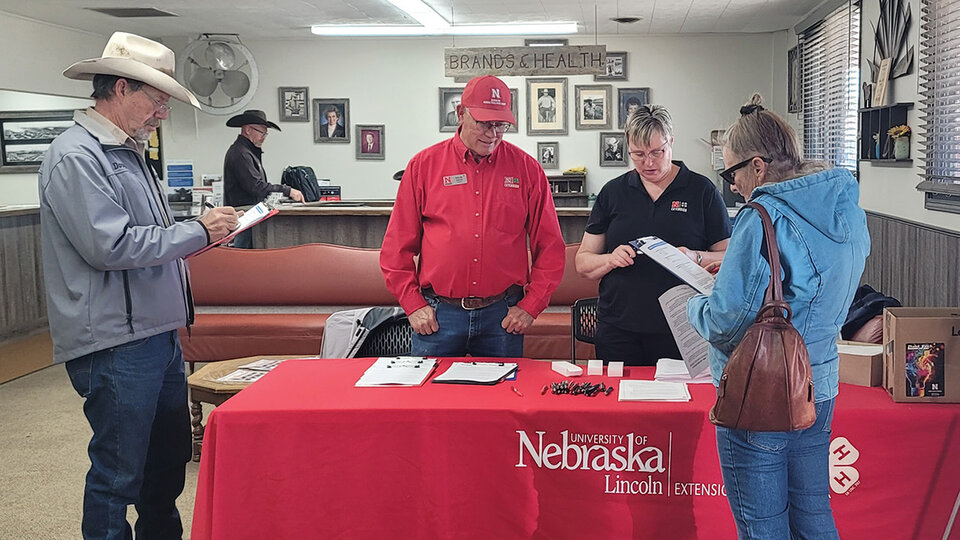
The sale barn environment fosters informal learning through personal connections and the exchange of life experiences. At the same time, survey respondents expressed interest in more formal educational opportunities offered by University Extension staff and private industry within the sale barn setting. Potential topics could include intergenerational transfer and succession planning. To better understand this potential program outlet, further information is needed. Educators are encouraged to work with sale barn owners to explore how educational offerings could complement and enhance existing business services.
Health Service Providers
Like potential educational outlets, sale barns could offer a space for periodic health screenings and mental health education. Although survey respondents indicated a lower interest in these services, more insights are needed to determine if this is due to personal preferences or if these services are available elsewhere. Individual consultations and/or educational sessions for family members may be of interest. Again, consultation with the sale barn owners is needed to determine optimum delivery options. In comparison to Australian sale yard auctions, health screening and education are regularly offered to producers.